
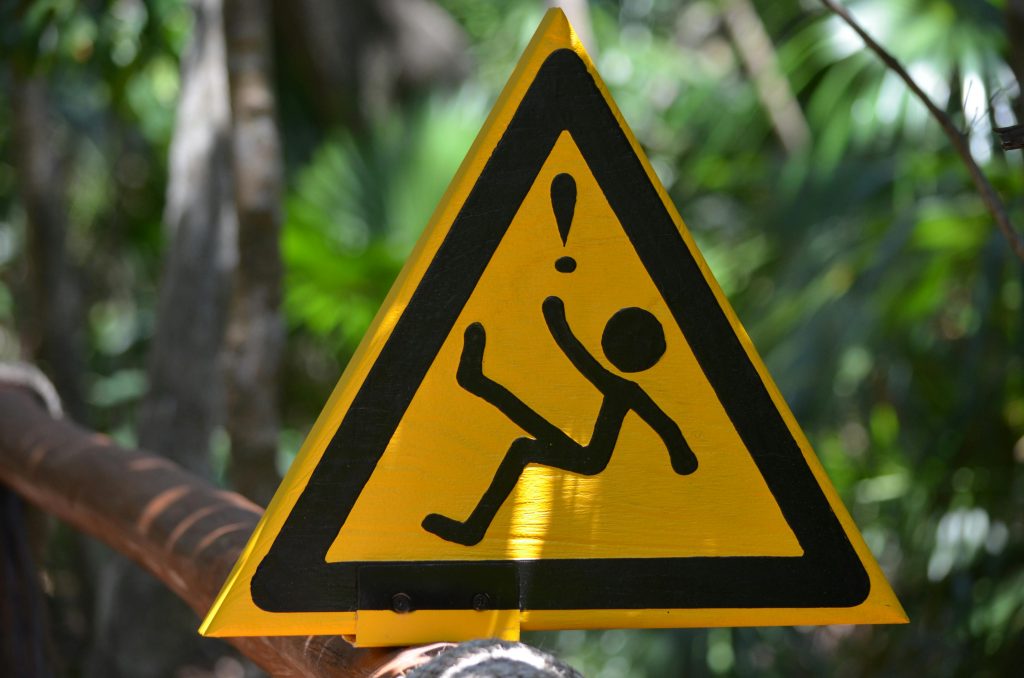
Every year, more than one in four adults over 65 experiences a fall. In 2024 alone, 43,020 older adults died as a result of a preventable fall, and over 3.85 million were treated in emergency departments for fall-related injuries. Over the past decade, fall-related deaths among older adults have increased by 51 percent.
Those numbers are sobering. But here is what matters just as much: most falls are preventable. And the majority of them happen at home, in familiar rooms, during ordinary moments. Not on hiking trails or slippery sidewalks. In the bathroom. In the hallway. In the kitchen at breakfast time.
The good news is that many of the most effective fall prevention measures do not require a major renovation. They require a walk through the home with fresh eyes, a willingness to make a few targeted changes, and in some cases, a conversation with a doctor or occupational therapist about additional risk factors.
This checklist is a starting point. Walk through it room by room with your loved one or on their behalf. Some changes take five minutes. Others may require a phone call to a handyman. All of them are worth it.
The Bathroom
The bathroom is where falls happen most often. Wet surfaces, small spaces, and the physical demands of bathing and using the toilet create a high-risk environment that most families never think to assess until something goes wrong.
- Install grab bars next to the toilet and inside the shower or tub. These are not the same as towel bars, which cannot support body weight. Grab bars must be properly anchored into wall studs.
- Place a non-slip mat inside the tub or shower and a separate mat on the bathroom floor. Check both regularly for curling edges.
- Consider a shower chair or bench. Standing for the duration of a shower requires more balance and stamina than most families realize.
- Make sure the path to the bathroom is clearly lit at night. A nightlight in the hallway and the bathroom itself can prevent a dangerous trip in the dark.
- Raise the toilet seat height if getting up and down is difficult. Toilet riser attachments are inexpensive and easy to install.
The Bedroom
Falls in the bedroom often happen in the moments between sleeping and waking, when the body is least alert and balance is least reliable.
- Place a lamp or nightlight within easy reach of the bed so your loved one never has to navigate a dark room to find a light switch.
- Remove loose rugs entirely or secure them with non-slip backing on all four corners. A rug that slides even slightly underfoot can cause a fall.
- Check the height of the bed. If getting in and out requires significant effort, adjustable bed risers or a lower bed frame may help.
- Keep a phone or medical alert device on the nightstand and within reach at all times.
- Clear the path between the bed and the bathroom of any furniture, cords, or objects that could be a hazard during a nighttime trip.
The Kitchen
The kitchen involves a lot of reaching, bending, and moving between surfaces, all of which increase fall risk.
- Reorganize frequently used items so they are stored between waist and shoulder height. Reaching overhead or bending to low cabinets both compromise balance.
- Remove the temptation to use a chair as a step stool. If reaching higher shelves is sometimes necessary, provide a proper step stool with a sturdy handle and non-slip feet.
- Address spills immediately. A wet kitchen floor is one of the most common causes of falls in the home.
- Consider whether the kitchen layout allows for easy movement. If your loved one uses a walker or cane, check that the paths between the refrigerator, stove, and sink are wide and unobstructed.
The Living Room
The living room is often where older adults spend most of their waking hours, which means it is also where falls are most likely to occur over time.
- Remove or secure any loose rugs. This includes decorative rugs, runners, and any floor covering with curling or uneven edges.
- Manage electrical cords. Cords that run across walking paths should be rerouted or secured to the baseboards.
- Assess the seating. Chairs and sofas that are too low or too soft make standing up difficult and increase the chance of a fall during that transition. Look for seating that is firm and at a height that allows the feet to rest flat on the floor.
- Ensure the room is well lit. Add floor lamps in corners that feel dim and consider higher-wattage bulbs throughout.
- Create clear walking paths. Arrange furniture so there is always a wide, unobstructed route through the room, especially for anyone using a walker or cane.
The Entryway
The entryway is often the most cluttered and hazardous space in the home, and it is the first and last thing your loved one navigates every time they go out.
- Install a handrail on any steps, both inside and outside the front door. If there are steps on both sides, install railings on both sides.
- Keep the entryway clear of shoes, bags, umbrellas, and anything else that collects near the door.
- Check outdoor lighting. Motion-activated lighting near the front door and along any walkway ensures your loved one is never navigating the entry in the dark.
- Consider adding a bench or chair near the door. Having a place to sit while putting on shoes significantly reduces the risk of losing balance during that task.
- If there is a threshold between rooms or at the front door, make sure it is flush or clearly marked. Raised thresholds catch feet.
A Few Things Worth Knowing
This checklist addresses the environment. But fall risk is also shaped by factors that go beyond the home itself. Medications that cause dizziness or affect balance are one of the most underrecognized fall risk factors in older adults. Vision changes, inner ear issues, and muscle weakness all play a role. A conversation with your loved one’s doctor about fall risk, including a review of their current medications, is a worthwhile step alongside any home modifications.
An occupational therapist can also conduct a formal home safety assessment and provide personalized recommendations based on your loved one’s specific needs and abilities. Many insurance plans cover this service, and it goes significantly deeper than a checklist can.
Finally, consider who is present. A consistent caregiver who knows the home, knows the person, and is trained to notice changes in balance, gait, or behavior is one of the most effective fall prevention tools available. Not because they follow someone around, but because they are there when the unexpected happens and because they notice the small signs that something may be changing before it becomes a crisis.
If you have questions about in-home support for a loved one in the Marietta or greater Atlanta area, we are always happy to talk.


