
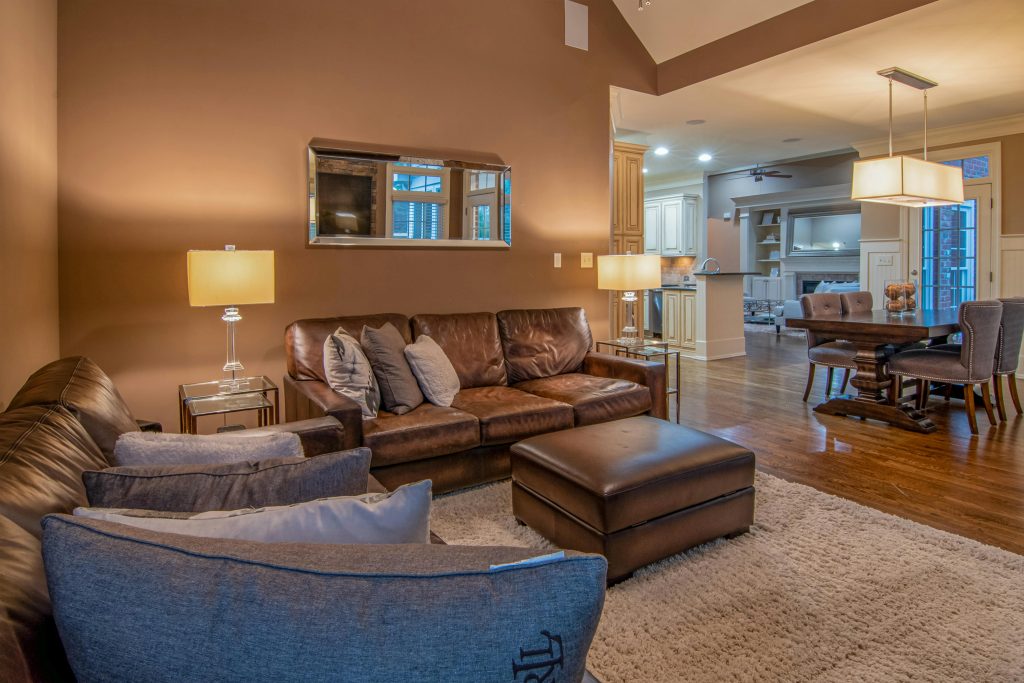
When people talk about aging at home, the conversation often centers on safety. Grab bars. Non-slip rugs. Better lighting. These elements are important, but safety alone does not define how a person experiences their home.
A home should also support confidence.
Confidence is what allows someone to move through their space without hesitation. It is the feeling that everyday activities remain manageable and familiar. When homes are designed only around risk prevention, they can begin to feel clinical. When they are designed around confidence, they support independence and dignity.
The Difference Between Safety and Confidence
Safety focuses on preventing accidents.
Confidence focuses on preserving autonomy.
Both matter. However, confidence often comes from subtle design choices that help people navigate their environment with ease.
Many older adults stop doing certain activities not because they physically cannot, but because they begin to feel uncertain in their surroundings. A poorly lit hallway, low visual contrast between surfaces, or cluttered pathways can quietly erode confidence.
Thoughtful design restores it.
Lighting That Reduces Uncertainty
Lighting is one of the most powerful tools in senior-friendly design. As vision changes with age, brighter and more evenly distributed light becomes essential.
Layered lighting works best. Combine overhead lighting with task lighting and floor-level lighting. Night lights in hallways and bathrooms help reduce falls while also easing anxiety about moving around the home at night.
Natural light is equally important. Exposure to daylight supports mood, sleep cycles, and cognitive health.
Contrast Improves Navigation
Visual contrast helps people interpret spaces more easily. When floors, walls, and furniture blend together in color, it becomes harder to judge depth or distinguish boundaries.
Simple changes can make a significant difference.
- Choose furniture that contrasts with the flooring
• Use light switches that stand out from the wall color
• Select bedding and towels that are easy to distinguish from surrounding surfaces
These adjustments help people move through their home with greater certainty.
Layout That Supports Movement
Confidence grows when movement feels intuitive. Clear pathways and predictable layouts allow people to navigate their homes without constant caution.
Consider these principles.
- Remove unnecessary obstacles and excess furniture
• Arrange frequently used items within comfortable reach
• Ensure there is adequate space for walking aids if needed in the future
Designing for mobility before it becomes necessary helps people adapt gradually rather than abruptly.
Comfort Encourages Participation
A home should invite activity, not discourage it. Comfortable seating, accessible hobby spaces, and well-organized kitchens make it easier for older adults to continue doing the things they enjoy.
The goal is not to simplify life. It is to keep life accessible.
Gardening tools placed within reach, craft tables with good lighting, or a reading chair near a window can help maintain routines that bring joy and purpose.
Designing With Dignity
Senior-friendly design should not look institutional. The most successful spaces blend functionality with warmth and personal style.
Design choices can support safety while still reflecting personality, culture, and taste.
A home filled with meaningful objects, family photos, and favorite colors continues to reinforce identity. When design respects individuality, it strengthens the emotional connection people have with their space.
A Home That Supports Living Well
Aging at home is about more than avoiding accidents. It is about preserving independence and confidence.
When homes are designed with thoughtful lighting, clear visual contrast, accessible layouts, and spaces that encourage daily activity, they support people in continuing to live life fully.
Safety protects the body.
Confidence protects the spirit.
The most supportive homes do both.


