
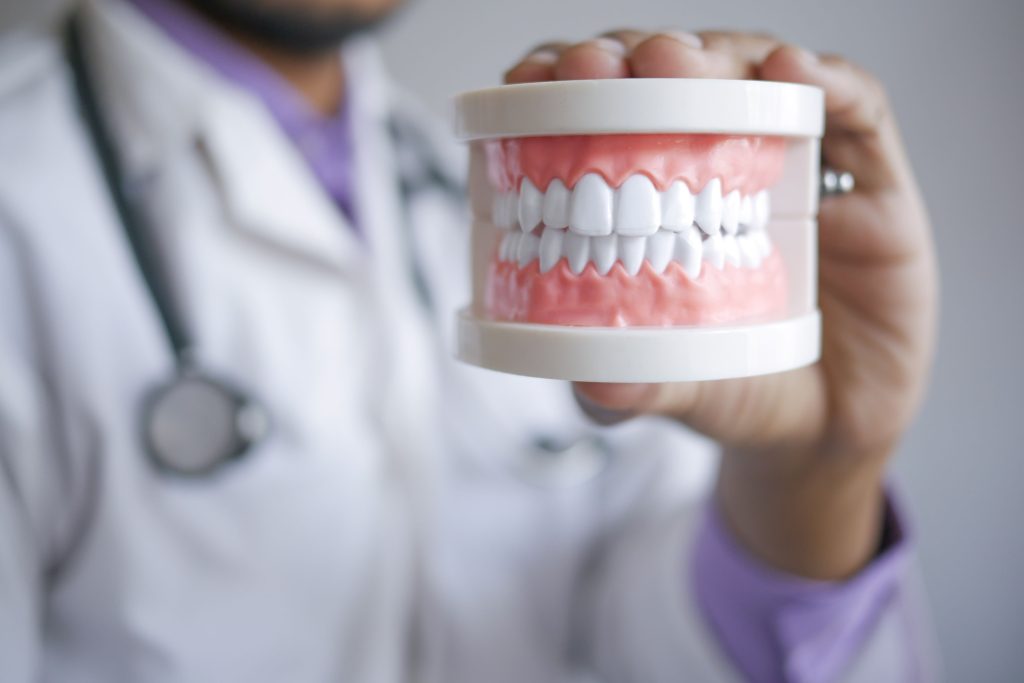
Most people treat oral health as separate from overall health. In older adults, that separation can be costly. The mouth is not isolated from the rest of the body, and what happens there tends to show up elsewhere.
Research links poor oral health in seniors to serious conditions including heart disease, diabetes complications, pneumonia, and cognitive decline. These are documented patterns that clinicians see regularly in aging patients who have gone years without consistent dental care, not distant risks.
If your aging parent or loved one has not seen a dentist recently, this is worth paying attention to.
The Connection Between Oral Health and Systemic Disease
The mouth is a gateway. Bacteria that accumulate in the gums and teeth do not stay there. They enter the bloodstream and can contribute to inflammation throughout the body. For older adults whose immune systems are already working harder, that added burden matters.
Here is what the research shows:
- Heart disease. Gum disease bacteria can enter the bloodstream and attach to fatty deposits in the heart’s blood vessels, contributing to inflammation and increasing the risk of cardiovascular events.
- Diabetes. The relationship runs both directions. Diabetes increases the risk of gum disease, and untreated gum disease makes blood sugar harder to control. Managing one without addressing the other limits how effective treatment can be.
- Pneumonia. Bacteria from the mouth can be inhaled into the lungs, causing respiratory infections. Aspiration pneumonia is a significant risk for older adults, and oral hygiene is one of the factors that can reduce it.
- Cognitive decline. Studies have found associations between gum disease and an increased risk of Alzheimer’s disease and dementia, though researchers are still working to understand the full nature of that relationship.
Signs to Watch For in an Aging Loved One
Oral health changes in older adults often develop gradually and quietly. Knowing what to look for can help families catch issues before they become serious.
- Dry mouth. This is one of the most common and underrecognized oral health issues in older adults. Many medications list dry mouth as a side effect, and seniors are often managing multiple prescriptions. Saliva protects teeth by neutralizing acids and washing away bacteria. Without adequate saliva, cavity risk increases significantly.
- Gum recession or bleeding. Gums that bleed during brushing or that appear to be pulling away from the teeth are signs of gum disease. Left untreated, gum disease progresses and can lead to tooth loss, but more immediately, it signals ongoing infection that places a burden on the immune system.
- Difficulty chewing. When chewing becomes painful or difficult, older adults often quietly shift toward softer, less nutritious foods. This can lead to unintended weight loss and nutritional deficiencies that compound other health issues. It is easy to miss because the person adapts rather than complains.
- Loose or missing teeth. Beyond the functional impact on eating, tooth loss affects speech, confidence, and social engagement. Seniors who are self-conscious about their teeth may withdraw from conversations and activities they used to enjoy.
Why So Many Seniors Skip Dental Care
A dental visit every six months is the standard recommendation. Many seniors go years without one. Several factors get in the way:
- Transportation. Getting to and from dental appointments is a practical barrier for older adults who no longer drive or who have mobility limitations.
- Cost. Medicare does not cover routine dental care, which surprises many families. Without supplemental coverage, the out-of-pocket cost of regular dental visits becomes a deterrent.
- The assumption that it matters less. There is a common belief that dental health becomes less important once natural teeth are gone or reduced. This is not accurate. Denture wearers still need regular oral exams to check for tissue changes and to ensure proper fit.
- Cognitive and mobility challenges. For seniors managing dementia or physical limitations, maintaining a daily oral hygiene routine and coordinating dental appointments can fall through the cracks without consistent support.
What Families Can Do
If your loved one has not seen a dentist in the past year, scheduling that appointment is the most direct step. But there are things families can do between visits as well.
- Ask about their current oral hygiene routine. Brushing twice a day and flossing once a day remain the baseline, but cognitive or physical changes may make this harder to maintain consistently without support.
- Review their medications with a dentist or pharmacist for dry mouth side effects. There may be alternatives, or the dentist can recommend products that help manage the impact.
- Look for behavioral changes around eating. If your loved one is avoiding certain foods, eating less, or losing weight, oral discomfort may be a factor worth ruling out.
- Consider whether they need support at home. A consistent in-home caregiver can help with daily oral hygiene routines and flag changes that might otherwise go unnoticed.
The Bottom Line
Oral health is not a separate category from overall health. In older adults especially, what happens in the mouth has real consequences for the heart, lungs, blood sugar, brain, and quality of life.
If it has been a while since your loved one had a dental exam, that is a reasonable place to start. And if daily oral hygiene has become difficult to manage consistently, that is something an in-home caregiver can help with.
Angel Companions provides companion care for older adults across Metro Atlanta. If your family is navigating questions about daily care support, we are happy to talk through what that looks like.


