
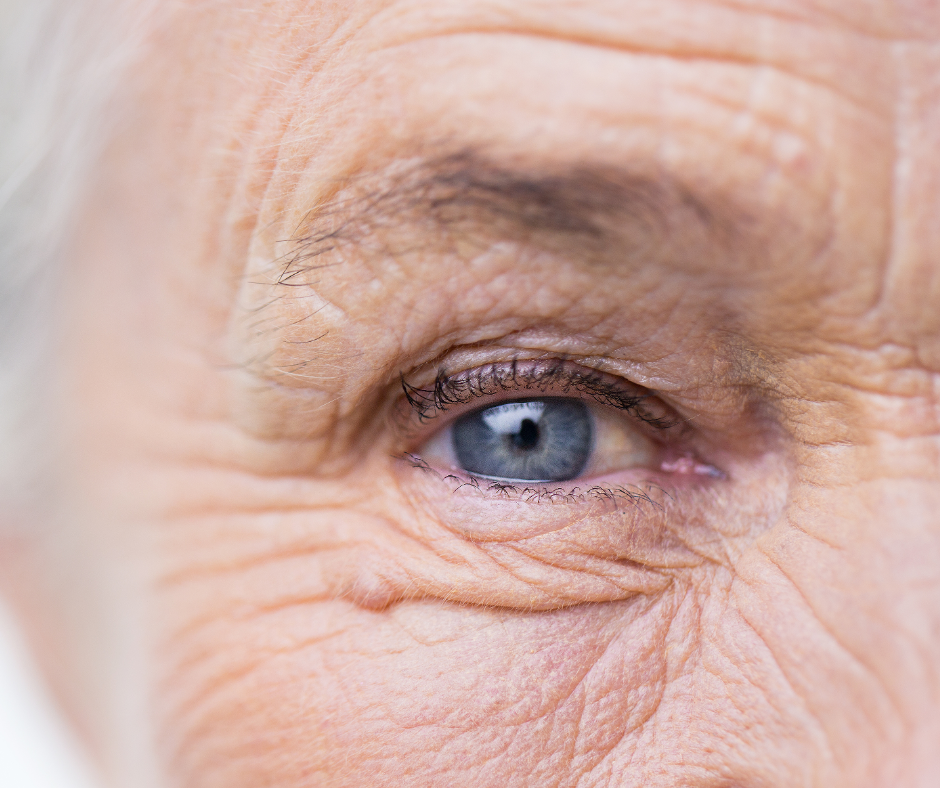
Caring for senior skin doesn’t have to involve dozens of products or complicated routines. By focusing on five core areas – gentle cleansing, timely moisturizing, sun protection, hydration and spot care – you can keep delicate, mature skin healthy and comfortable. Here’s why each piece matters, what’s happening in older skin, and how to put these tips into practice.
Gentle Cleansing
Why it matters: As we age, the skin’s outer barrier thins and produces fewer lipids (natural barrier fats). That makes it easier for moisture to escape and for irritants to penetrate. Using a mild, fragrance‑free cleanser with lukewarm water removes dirt without stripping those remaining lipids.
What to do: Cleaning once a day—or only when truly needed—prevents further loss of the skin’s natural oils.
How it helps: A gentle wash maintains the skin’s protective barrier so it can retain moisture and defend against environmental stressors.
Moisturize Right Away
Why it matters: Older skin loses water more quickly because its lipid barrier is weaker and because the number of moisture‑binding molecules (like hyaluronic acid) decreases with age.
What to do: When you pat skin gently dry and then apply a simple cream or lotion while it’s still damp, you trap that residual moisture in the skin. Focusing on hands, arms and lower legs, where oil glands are fewer, helps prevent cracking in those especially vulnerable spots.
How it helps: Sealing in dampness restores elasticity, smooths rough patches and prevents painful fissures.
Sun Protection
Why it matters: Decades of ultraviolet exposure break down collagen and elastin fibers, leading to thinning, wrinkles, age spots, and cancer.
What to do: A broad‑spectrum sunscreen (SPF 30 or higher) shields skin from further UV damage every day, even on cloudy days. Lightweight clothing and a wide‑brim hat add a physical barrier against harmful rays.
How it helps: Blocking UV light slows collagen breakdown, prevents new sun damage, helps maintain skin thickness and tone, and protects you from skin cancer.
Hydrate Inside and Out
Why it matters: Skin health starts from within. Drinking water or herbal tea throughout the day supports cellular functions that keep skin plump. In older adults, reduced sweat and oil gland activity means the skin can’t self‑hydrate as well.
What to do: Running a cool‑mist humidifier in dry indoor air, especially overnight, adds moisture back into the environment and helps prevent water loss through the skin.
How it helps: Adequate hydration improves skin elasticity and reduces the itchiness that comes from dryness.
Spot‑Check and Care for Trouble Areas
Why it matters: Mature skin can develop dry patches because cell turnover slows down; dead cells accumulate on the surface and trap less moisture. Tiny cracks or red spots can turn into painful sores if not treated.
What to do: A daily inspection helps you catch these issues early. Applying a basic barrier ointment (such as Vaseline or Aquaphor) to vulnerable spots protects against infection and further moisture loss. If a sore doesn’t improve in a few days, consult a doctor to ensure proper care.
How it helps: Early intervention prevents small irritations from becoming serious wounds, supporting comfort and overall skin health.
Bonus Tip: Transform Boring to Beautiful
Sometimes, there can be resistance to purchasing skincare products that best help senior skin because the packaging is uninspiring and makes people “feel old”. Pour your cleanser, lotion or sunscreen into elegant jars, pretty pump bottles or dainty tins. Ordinary products become delightful rituals when they live in beautiful containers. A small change in packaging can boost mood for both caregiver and senior without changing function.
By addressing the biological changes of aging skin, focusing on these five areas will help you create a powerful, functional routine. Gentle cleansing, prompt moisturizing, sun protection, proper hydration and vigilant spot care keep senior skin strong and comfortable without any unnecessary fuss.


