
Caring for a parent with dementia often feels like navigating a maze of fading memories. Music offers a gentle path through that maze. Familiar songs can unlock long‑dormant memories, spark moments of joy and calm, and create shared experiences that transcend words. Creating a custom playlist with a loved one facing memory loss is an easy activity with profound benefits for both caregiver and parent.
Music and the Memory Brain
Music engages brain circuits that other tasks cannot reach. Even when short‑term memory fades, musical memories often remain intact. Studies show that people with Alzheimer’s and dementia can recall lyrics and melodies decades after hearing them! Musical training and listening also promote brain plasticity, helping to preserve cognitive functions such as speaking and mood regulation. By tapping into these preserved pathways, people can connect with those suffering from memory loss in ways that words alone may no longer allow.
Emotional and Behavioral Benefits
Playing familiar tunes can reduce anxiety, agitation, and depression in people with dementia. One study found that musical intervention eased both patient and caregiver stress, improving eye contact and social interaction in ways that simple conversation often could not. A shared listening session becomes a moment of calm, helping to ease daily challenges like bath time or medication routines by providing consistent “musical cues” that signal what comes next.
Why Building a Playlist Is So Meaningful
- Personal history resurfaced
Choosing songs from a parent’s youth, like waltzes they danced to or radio hits from when they got their first car, brings back personal stories. Each song may trigger a memory of a special event or a loved one, turning a simple playlist into a living scrapbook. - Shared decision‑making
Inviting the parent to help select tracks honors their preferences and gives them agency. Even if they cannot recall a song’s name, humming along or tapping a rhythm signals engagement and pride in contribution. - Low‑stress interaction
Creating a playlist requires no special skills. A caregiver can press “play,” sit side by side, and enjoy the moment. There is no pressure to “perform,” only to share.
 Step‑by‑Step Guide to Crafting Your Playlist
 Step‑by‑Step Guide to Crafting Your Playlist
- Gather clues
Look at old photo albums, ask family members, or browse record collections for clues about favorite genres and artists. A few well‑chosen hints can spark recognition. - Start small
Aim for 10–12 songs. Too many choices can become overwhelming. A concise list encourages repeated listening and easy navigation. - Mix tempos and moods
Include upbeat tunes for energy, gentle ballads for calm and instrumental pieces for restful breaks. This balance can support mood swings and activity transitions. - Use technology simply
A streaming service or a basic music app works fine. Create a single playlist titled with your parent’s name and year of birth for easy recall. - Listen together daily
Incorporate the playlist into a routine moment, like morning coffee, afternoon rest, or evening wind‑down. Regular musical cues help establish comforting rituals.
Tips for Deepening the Experience
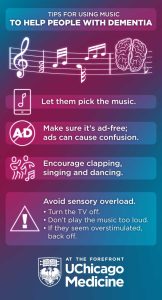
- Encourage movement: Gentle swaying or hand‑clapping can boost physical engagement and circulation.
- Record reactions: Note which songs spark smiles, humming or conversation. Use that feedback to refine the list.
Lasting Impact
Building and sharing a playlist is more than a pastime. It is a bridge between past and present, caregiver and parent. Each melody revives fragments of identity and fosters moments of mutual recognition. Over time, this simple act can strengthen bonds, ease daily care, and bring light into the often‑challenging journey of dementia care.


