
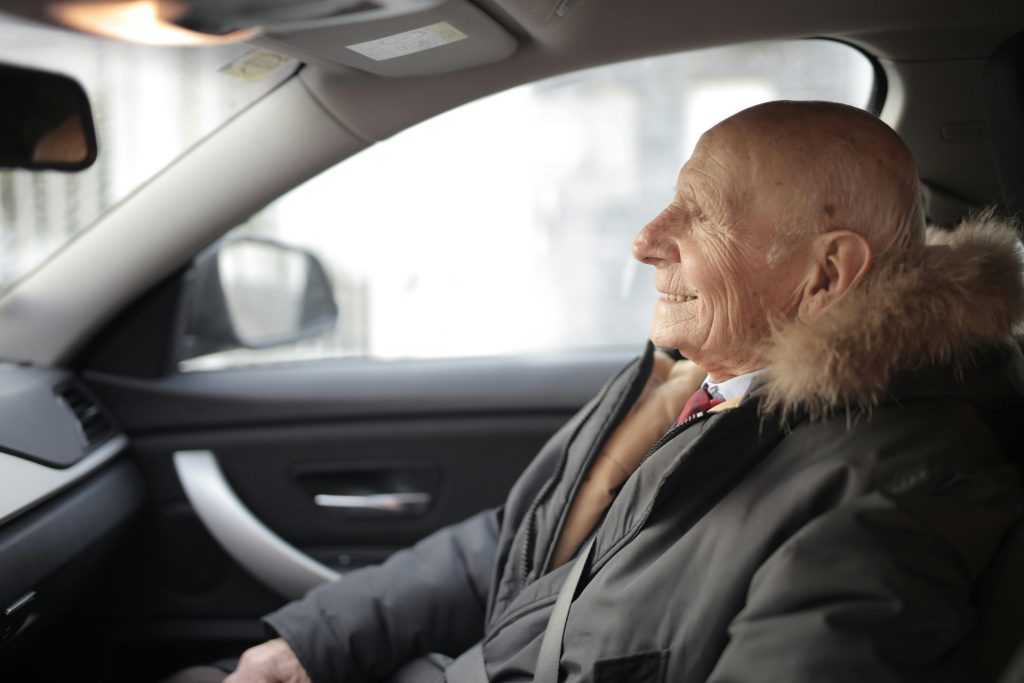
Driving often feels like the last symbol of independence. For many older adults, letting go of the car keys can feel like letting go of freedom. But healthy aging is not just about what you can do today. It is about adjusting routines so you can continue living safely tomorrow.
Checklist: Is it Time to Stop Driving?
◻ Increased fender-benders or close calls
◻ Difficulty seeing road signs, pedestrians, or traffic lights
◻ Slower reaction times at stop signs or intersections
◻ Confusing the gas and brake pedals
◻ Family or friends expressing concern about driving habits
◻ Getting lost in familiar places
◻ Trouble turning to check blind spots
If several of these signs are showing up, it is time to start the conversation.
Why this conversation is so hard:
Handing over the car keys is not just a practical change. It can feel like a loss of control, privacy, and dignity. Many older adults fear becoming a burden or being cut off from the life they know. This is why the conversation often sparks anger, sadness, or defensiveness.
Common objections and strategies to respond with compassion
“I’ve been driving for 60 years. I know what I’m doing.”
Response: “You have been a careful driver for decades, and that is why I want to keep you safe now. This is not about your skills — it is about how our bodies change with age. I want you with us for many more years, and staying safe is part of that.”
“I don’t want to depend on other people.”
Response: “I understand. No one wants to feel dependent. But giving up driving doesn’t mean staying home. There are ride services, senior transport programs, and family members who can help. You will still be able to do the things you enjoy — without the stress of traffic or parking.”
“Nothing has happened to me yet.”
Response: “You are right, and I am thankful for that. But close calls can happen before accidents do. Waiting until something happens could hurt you or someone else. Taking a step back now helps protect everyone.”
“I only drive around the neighborhood.”
Response: “Even short trips can be risky if reaction times are slower or vision is not as sharp. The good news is there are safe alternatives for those quick errands, like community shuttles or grocery delivery. You will still be able to get what you need.”
“If I stop driving, I’ll never go anywhere.”
Response: “That is not true. Let’s make a list of the places you like to go and figure out a plan for each one. Whether it is church, the hair salon, or lunch with friends, we can set up rides so you do not miss out. In some ways, it may feel easier because you won’t have to worry about parking or traffic.”
“This makes me feel old and useless.”
Response: “I hear you. This is not about age or usefulness — you are still the same person with the same value in this family. Driving is just one task. Let’s focus on what you can still do, and how we can make sure you feel included in everything that matters to you.”
Letting go of the keys does not mean giving up independence. It means redefining it.
- Explore senior ride programs in Cobb County and metro Atlanta.
- Try ride-sharing apps with caregiver assistance.
- Take advantage of church groups or community volunteer driving networks.
- Make social outings part of the plan so that life stays active and full.
Healthy aging is not about holding on to every role forever. It is about finding safe, dignified ways to keep living the life you want, even if the path to get there looks different.
Local Senior Transportation Resources
Cobb County Senior Services: Demand Response Transportation
Door-to-door, low-cost rides for residents aged 60+ to medical appointments, grocery runs, or Senior Centers like Austell and Marietta.
CobbLinc Paratransit / Transportation Voucher Program (TVP)
ADA-compliant, door-to-door shared rides available across Cobb. For those outside paratransit routes, TVP helps with private ride costs.
Cobb Senior Services Medical Appointment Transport
Help getting to critical medical appointments like dialysis or chemotherapy for 60+ residents in Cobb County.
Seniors Go (Senior Citizen Council of Cobb County)
Discounted rides through Uber, about $2 for the first 15 miles plus $0.85/mile after, limited to two round-trips per week.
Volunteer Transportation Programs
Nonprofits and faith-based groups organize volunteer driver programs for seniors needing rides to medical or essential errands.
Regional Public Transportation Options
MARTA, CobbLinc bus routes, paratransit services, ride vouchers, all available for those comfortable with public transit or needing ADA accommodations.


